Pacific Orthodontics · Seattle

Join our 7&UP Club

Growing Smiles, Guided with Care

One of the most common questions parents ask is, "When should my child first visit the orthodontist?" The American Association of Orthodontists (AAO) recommends that children have their first orthodontic evaluation by age 7. At this age, children typically have a combination of baby (primary) teeth and permanent teeth, giving an orthodontist an opportunity to evaluate developing tooth alignment, jaw growth, and bite relationships.

An early evaluation does not necessarily mean early treatment. In fact, many children do not need orthodontic treatment at this age. However, identifying potential concerns early allows us to determine whether treatment may be beneficial and, just as importantly, when the timing is right.

No dentist referral is necessary.

7 & Up Kids Club logo: a smiling mouth with braces under the words 7 and Up
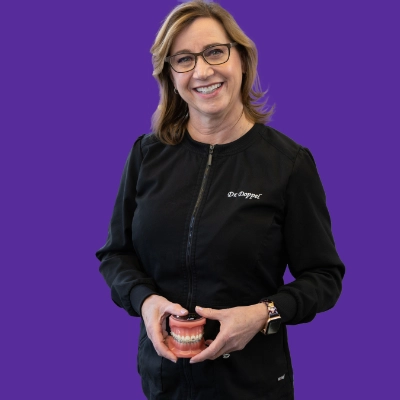
Dr. Diane Doppel, orthodontist at Pacific Orthodontics

What's up with the 7&Up Club?

The 7 & Up Club at Pacific Orthodontics was designed for children who have been evaluated but are not quite ready for orthodontic treatment.

Dr. Doppel monitors your child's dental development, jaw growth, and bite as they mature. If treatment is not indicated at the initial visit, we will recommend periodic observation appointments, typically every 6–12 months, to follow your child's development and identify the ideal time for treatment, if needed.

If your child is younger than 7 and you notice something that concerns you about their teeth, bite, or jaw development, there is no need to wait until their seventh birthday. You are welcome to schedule an evaluation at any age.

What should parents look for?

no need to wait

There is no need to wait for your dentist to give you a referral to come in. Instead, look for these indicators and schedule an appointment so we can evaluate if your child needs orthodontic intervention.

  • Early or late loss of baby teeth
  • Difficulty in chewing or biting
  • Mouth breathing
  • Jaws that shift or make sounds
  • Speech difficulties
  • Biting the cheek or roof of the mouth
  • Facial imbalance
  • Grinding or clenching of the teeth
  • Crowding of the teeth
  • Teeth that meet abnormally
  • Missing or extra teeth
  • Thumb-, finger-, or pacifier-sucking that is affecting the teeth or jaw growth
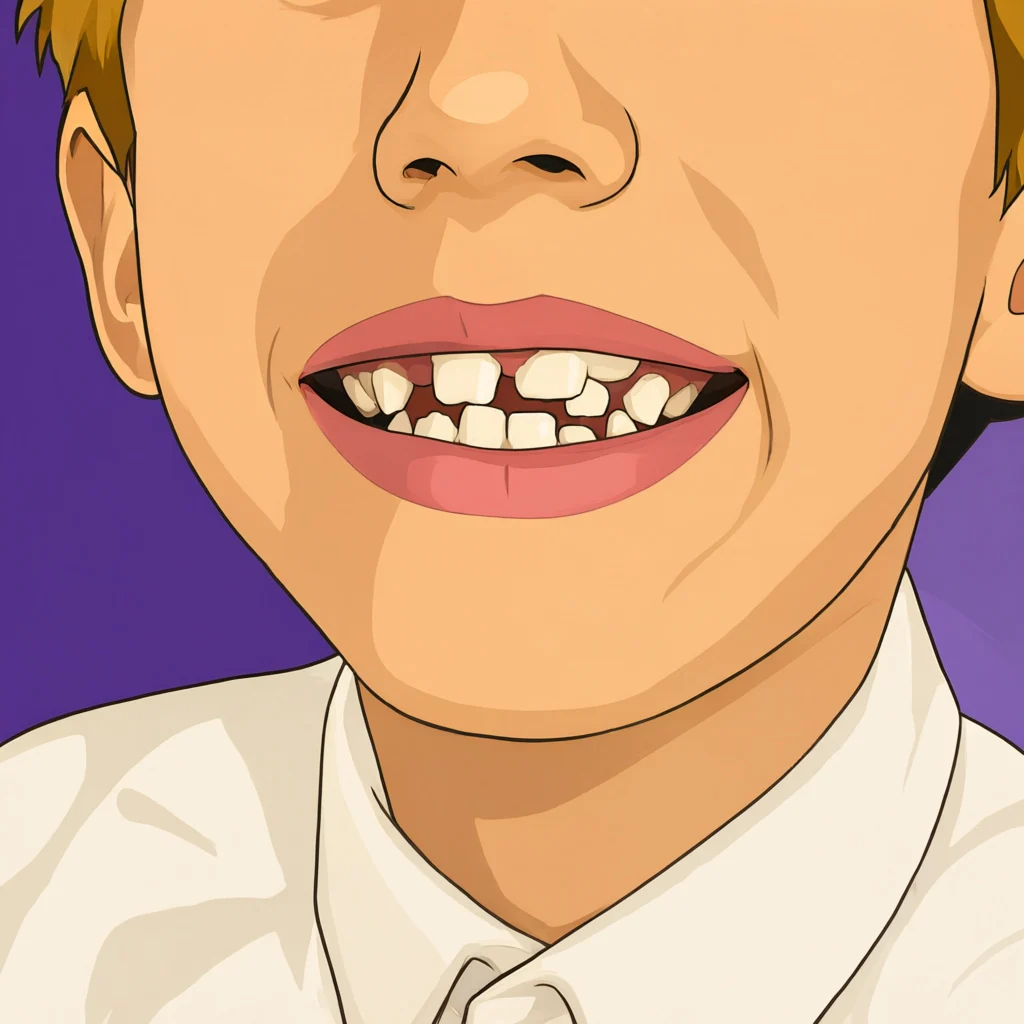
Illustration of a child grinning, showing crowded teeth and a tooth out of line
Teeth that meet abnormally, or crowding as the jaw grows.
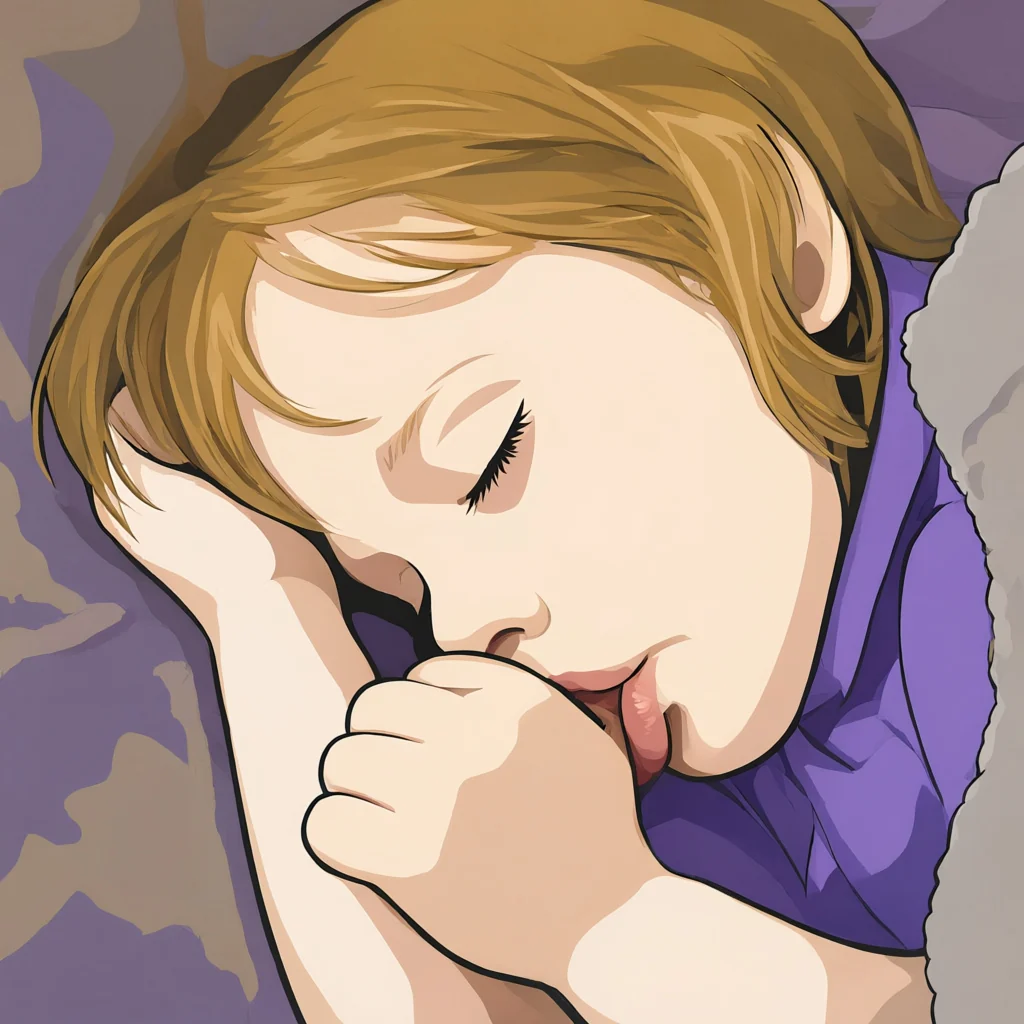
Illustration of a sleeping child resting a hand against their mouth
Thumb-, finger- or pacifier-sucking that is affecting growth.
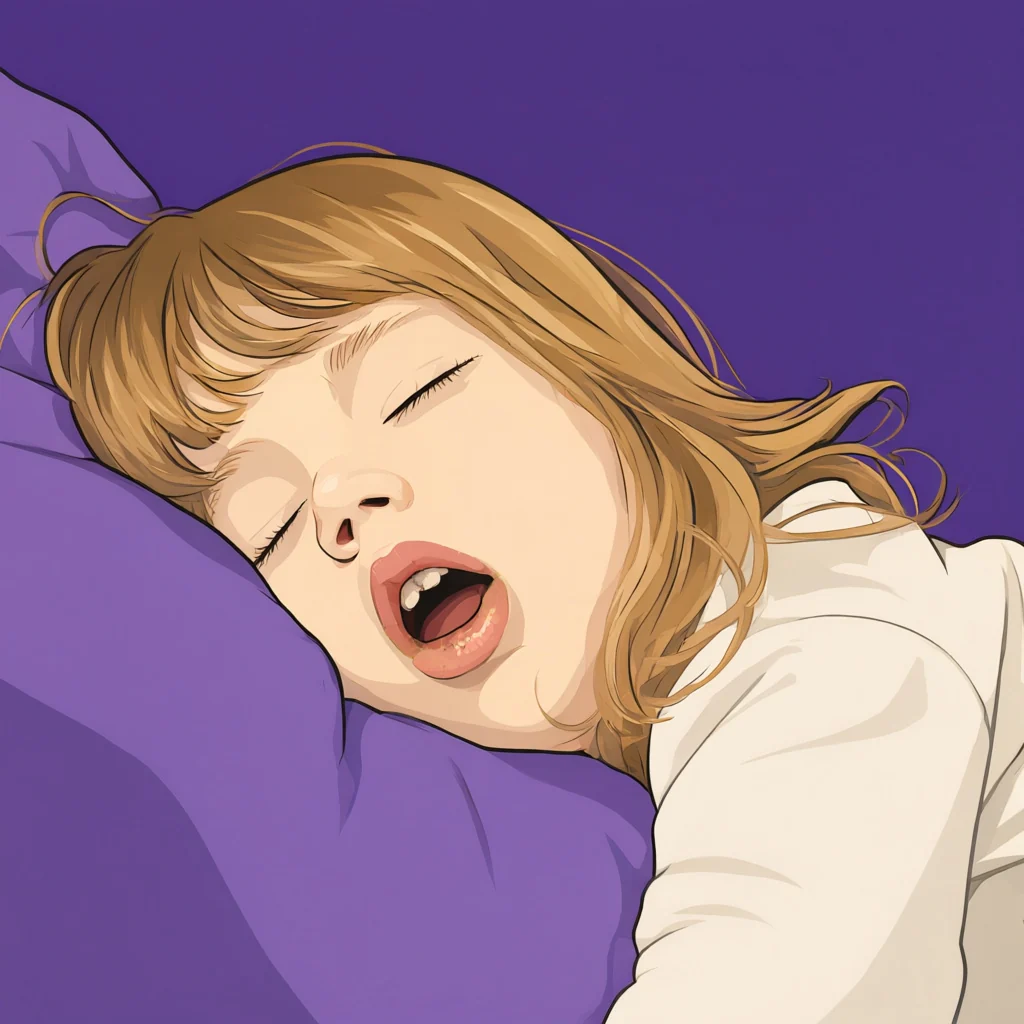
Illustration of a sleeping child breathing through an open mouth
Mouth breathing, especially during sleep.
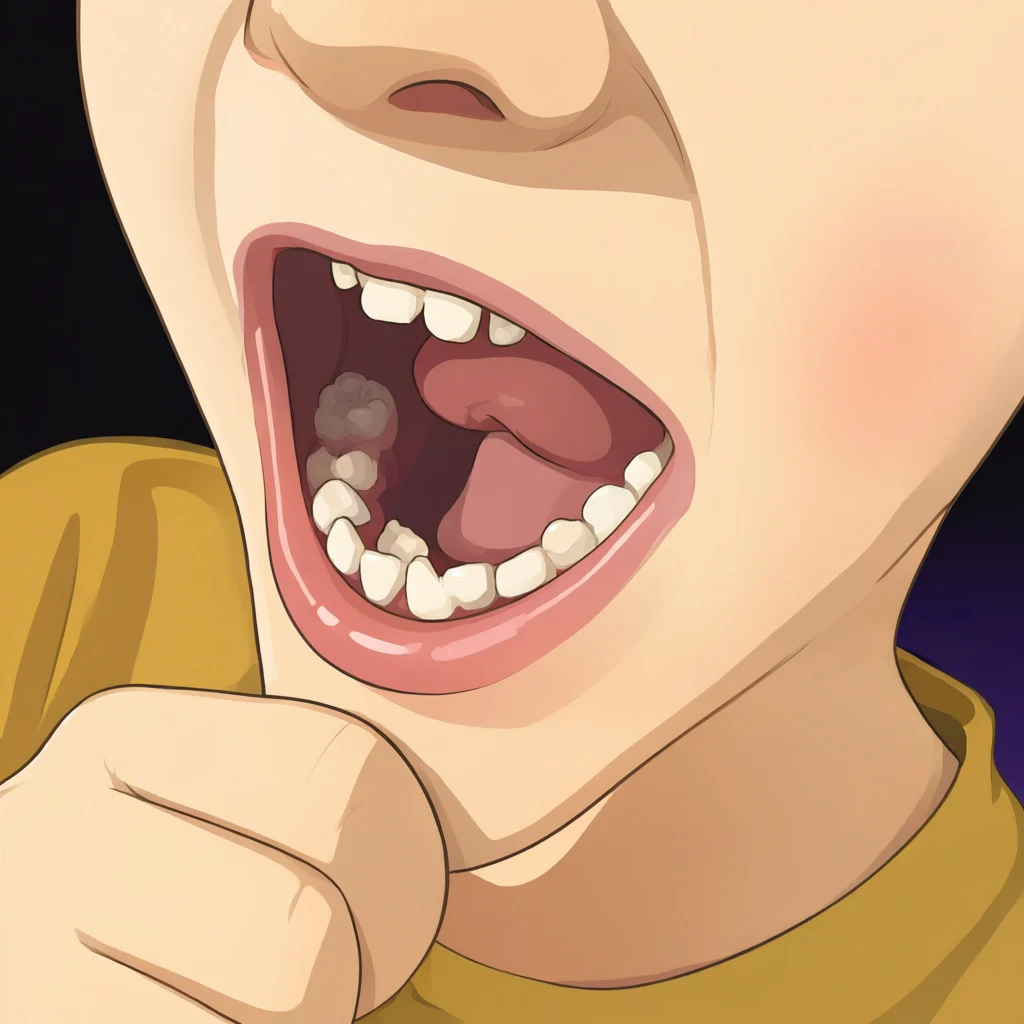
Illustration of a child's open mouth showing a gap where a tooth is missing
Early or late loss of baby teeth. Look and count.

Three reasons to bring your child in

01

You may notice something is not quite right.

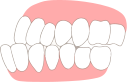
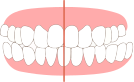
Parents are often the first to notice changes in their child's smile, teeth, or jaws. You may see crowding, protruding teeth, or an unusual bite. Other developing concerns may be less obvious and can be difficult to recognize without an orthodontic evaluation.

If something doesn't look or feel right, let us take a closer look. You do not need to wait for a referral from your family dentist.
02

An early evaluation can make a difference.

By age 7, enough permanent teeth have usually erupted for an orthodontist to identify certain developing problems with tooth alignment and jaw growth. Some conditions benefit from early intervention, while others are best treated after additional permanent teeth have come in.

Evaluating your child at the appropriate age allows us to identify concerns, monitor growth, and recommend treatment at the most beneficial time.

03

You do not need a dentist referral.

You may assume that your family dentist will refer your child when the time is right. While dentists play an important role in recognizing orthodontic concerns, parents are welcome to schedule an evaluation directly with our office.

Even if your child does not need treatment, an initial evaluation provides reassurance and an opportunity to monitor their developing smile.

What do we look for?

recognizing developing bite problems

An orthodontic evaluation allows us to identify developing problems with tooth alignment, bite relationships, and jaw growth. Some conditions may benefit from treatment while a child is still growing, while others can be monitored until the appropriate time. Here are four common bite concerns we evaluate:

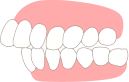
Illustration of an underbite

Underbite

When the lower teeth extend beyond the upper front teeth.

An underbite occurs when the lower jaw or lower teeth extend in front of the upper teeth. Depending on its severity and underlying cause, it may affect biting, chewing, facial balance, and jaw development.

What can cause it?
  • Genetic factors and inherited jaw growth patterns
  • Differences in the growth of the upper and lower jaws
  • Dental positioning and eruption patterns

Early evaluation is particularly important because certain underbites may benefit from treatment while a child is still growing.

Illustration of a crossbite

Crossbite

When some upper teeth bite inside the lower teeth.

A crossbite occurs when one or more upper teeth sit inside the corresponding lower teeth when biting together. It can involve the front or back teeth and may cause the jaws to shift during biting.

What can cause it?
  • Differences in upper and lower jaw development
  • Delayed loss of baby teeth
  • Abnormal eruption or positioning of permanent teeth
  • Prolonged oral habits, such as thumb sucking

Early identification can help determine whether treatment is needed to improve the bite and support proper jaw development.

Illustration of an overbite

Overbite

When the upper front teeth overlap the lower front teeth excessively.

An overbite refers to excessive vertical overlap of the upper front teeth over the lower front teeth. When pronounced, it may increase the risk of tooth wear or injury to the front teeth and can sometimes affect the gums behind the upper teeth.

What can cause it?
  • Inherited jaw and tooth relationships
  • Differences in jaw growth
  • Prolonged thumb sucking or pacifier use
  • Other oral habits and tooth positioning

An orthodontic evaluation helps determine whether the overbite requires treatment and the most appropriate time to address it.

Illustration of an open bite

Open bite

When the upper and lower front teeth do not meet when the back teeth are together.

An open bite occurs when there is a space between the upper and lower front teeth when the back teeth are biting together. This can affect biting into certain foods and, in some cases, speech.

What can cause it?
  • Prolonged thumb sucking or pacifier use
  • Tongue-thrusting habits
  • Certain patterns of jaw growth
  • Other oral habits and developmental factors

Identifying an open bite early allows us to evaluate contributing factors, monitor jaw development, and determine whether intervention is appropriate.

At the first visit

Four essential questions are generally covered during the first exam:

  1. Is there an orthodontic problem, and if so, what is it?
  2. What are the available treatment options?
  3. How long is the recommended treatment expected to take?
  4. How much will the recommended treatment cost?

Not ready? That's okay!

Our goal is simple

the right treatment at the right time

Not every child needs orthodontic treatment at age 7. Through our complimentary 7 & Up Club observation visits, we can follow your child's growth and development, typically every 6–12 months, and help determine the right time for treatment, if needed.

Visit Pacific Orthodontics to Enter

Guess how many gumballs for a chance to win a $25 Amazon gift card. The contest runs July 1 to September 30, every year. When you come in, be sure to enter our contest.

Book a visit
The 7&Up Kids Club contest poster: enter to win a $25 Amazon gift card

Seven and up. Let's take a look.

No referral needed. Bring them in for a first exam, and we will tell you honestly whether anything needs doing now, later, or not at all.

Conveniently located in downtown Seattle, Pacific Orthodontics welcomes children and families from Seattle and the surrounding Puget Sound communities.

American Dental Association
Member, American Association of Orthodontists
American Board of Orthodontics board certified
Invisalign
The Edward H. Angle Society of Orthodontists
Pacific Orthodontics Seattle logo with triggerfish
linkedin facebook pinterest youtube rss twitter instagram facebook-blank rss-blank linkedin-blank pinterest youtube twitter instagram